
Table of Contents
Why “Before and After” Matters in Body Contouring
Body Contouring Before and After: What Results Really Look Like
Who Is a Good Candidate for Body Contouring?
How to Prepare Before Your Body Contouring Appointment
Body Contouring Recovery and Aftercare
Frequently Asked Questions About Body Contouring Before and After
Take the Next Step Toward Your Own Body Contouring Before and After Results
Key Takeaways
- Body contouring focuses on shaping and sculpting targeted areas, not overall weight loss
- Results develop gradually over several weeks or months depending on the treatment plan
- Factors like skin elasticity, body composition, and lifestyle habits affect outcomes
- Non-surgical body contouring typically involves minimal downtime
- Consistent habits help maintain long-term body contouring results
There is a very specific kind of frustration that brings people to body contouring. It is not always about wanting to be “smaller” or expect overnight transformations.
Sometimes it is the pocket under the chin that makes every photo feel off. Sometimes it is the lower belly that does not change, even when your routine does. Sometimes it is wanting your shape to look more balanced, more sculpted, or simply more like how you feel in your head.
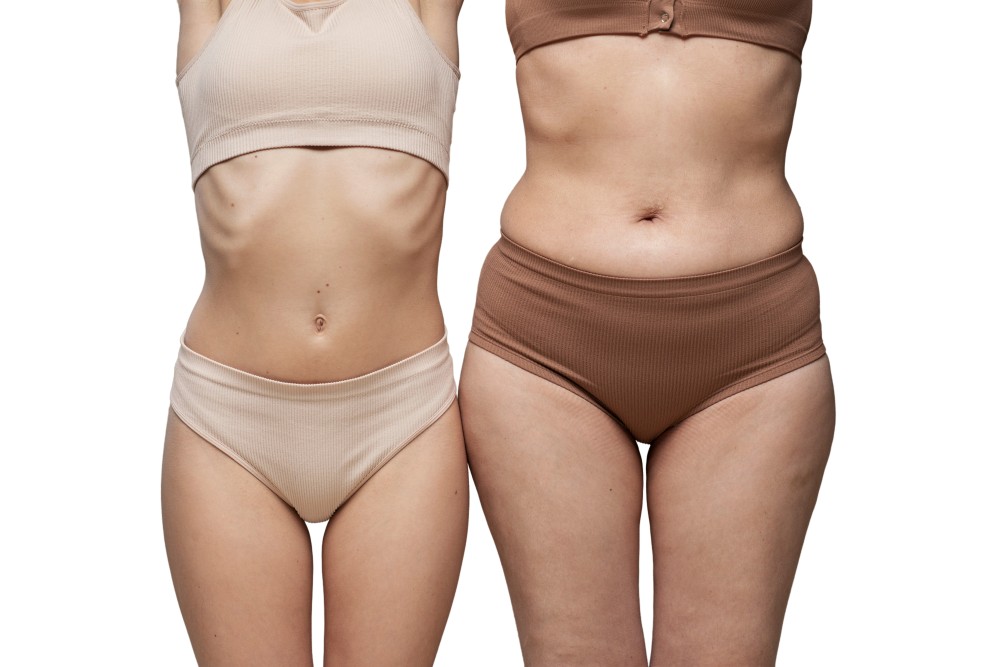
That is why searching for body contouring before and after photos can be helpful, but also tricky. Photos can show what is possible, but they do not tell you what treatment was used, how long healing took, what the person’s starting point was, or whether your body would respond the same way.
Body contouring treatments are designed to help refine and sculpt areas that may not respond to lifestyle changes alone. But before booking treatment, it helps to understand what body contouring can realistically do, what recovery looks like, and what “before and after” results truly mean.
What Is Body Contouring?
Body contouring refers to aesthetic treatments that help reshape, refine, or sculpt certain areas of the face or body. Some treatments reduce stubborn fat. Others focus on volume enhancement, skin tightening, or improving overall proportions.
Body Contouring Is Not the Same as Weight Loss
This is one of the most important things to understand before treatment. Body contouring is not meant to treat obesity or replace a healthy lifestyle. It is typically best suited for people who are near a stable weight but want help with specific areas that feel resistant to diet and exercise.
Non-Surgical vs Surgical Body Contouring
The American Academy of Dermatology notes that non-invasive fat removal may be an option for areas of fat that do not budge with diet and exercise. Common treatment areas can include stubborn areas depending on the method used.
Surgical procedures like liposuction physically remove fat through invasive techniques. Non-surgical body contouring treatments work differently by targeting fat cells externally using technologies such as heat, cooling, radiofrequency, or muscle stimulation.
Many patients choose non-invasive treatments because they typically involve:
- Minimal downtime
- Lower recovery demands
- No surgical incisions
- Gradual, natural-looking changes
Popular Treatment Areas
Body contouring treatments are commonly used on:
- Abdomen and Waist. One of the most requested treatment areas for reducing stubborn fat and improving definition.
- Thighs. Often targeted for contour refinement and smoother proportions.
- Arms. Upper arm fullness can sometimes remain resistant to exercise alone.
- Chin and Jawline. Submental fullness, often called a double chin, is another common concern.
- Back and Flanks. Body contouring may help improve definition around the bra line or love handle area.
What Body Contouring Usually Cannot Do
Body contouring has limits. It usually cannot remove all cellulite, tighten significant loose skin, prevent future weight gain, or create the exact same result seen in another person’s photo. It also cannot replace consistent nutrition, movement, and weight maintenance. That does not make treatment less valuable. It just means the best results come from choosing the right treatment for the right concern.
Why “Before and After” Matters in Body Contouring
Before and after photos can help visualize what changes may be possible, but they also need context.
What Body Contouring Actually Changes
Non-surgical body contouring is designed to reduce stubborn fat pockets, improve definition, and create smoother body proportions. It is not intended to function as a weight loss procedure.
Depending on the treatment area, patients may notice:
- A more sculpted waistline
- Reduced fullness beneath the chin
- Improved body proportions
- Smoother-looking contours
- More definition in targeted areas
- Added volume in areas treated with fat transfer
- Gradual firming with certain energy-based treatments
The goal is refinement, not drastic reconstruction.
Why Results Vary Between Patients
Body contouring before and after results are influenced by several factors, including:
- Current body composition
- Skin elasticity
- Age
- Treatment area
- Number of sessions completed
- Lifestyle habits after treatment
Two people receiving the same treatment may still experience different outcomes.
Realistic Expectations Matter
One of the most important parts of a consultation is understanding what treatment can and cannot achieve. Non-surgical body contouring can improve contours and reduce stubborn fat in targeted areas, but it does not replace healthy nutrition, exercise, or significant weight loss methods.
Body Contouring Before and After: What Results Really Look Like
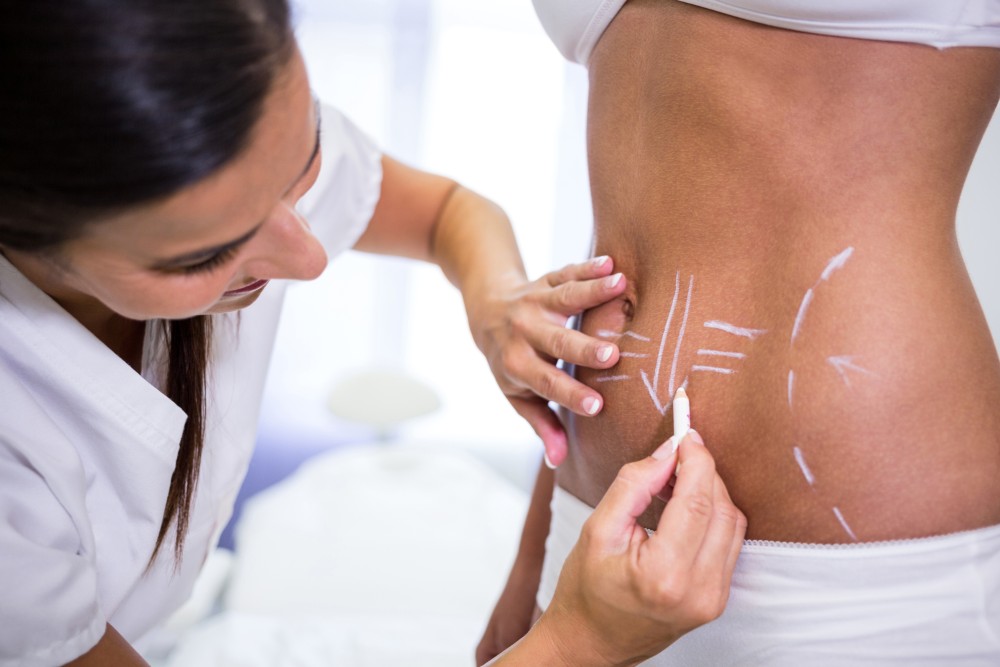
The reality of body contouring results is usually more subtle and progressive than social media makes it seem.
What You May Notice Immediately After Treatment
Depending on the treatment type, temporary side effects can include:
- Mild swelling
- Redness
- Tenderness
- Temporary numbness
These effects are typically short-term.
When Results Become Visible
Most non-surgical body contouring treatments require patience.
After 1 to 2 Weeks
Some patients begin noticing early changes in tightness or contour.
After 1 to 3 Months
More visible fat reduction and contour improvements may appear as the body processes treated fat cells.
After Multiple Sessions
Some treatments work best as part of a treatment series rather than a single appointment.
What Patients Commonly Notice
Body contouring before and after changes are often described in practical ways, including:
- Clothing fitting better
- Improved waist definition
- Reduced bulging in specific areas
- More balanced body proportions
- Firmer appearance in treated areas
Why Before and After Photos Can Be Misleading
The most honest way to look at body contouring before and after photos is to see them as examples, not promises. Lighting, posture, clothing, and timing all affect before and after comparisons. A trustworthy provider should explain realistic outcomes rather than relying solely on dramatic photography.
Who Is a Good Candidate for Body Contouring?
Not everyone seeking body contouring is looking for the same result.
Ideal Candidates
Non-surgical body contouring is generally best suited for people who:
- Are near their goal weight
- Maintain relatively stable weight
- Have localized stubborn fat areas
- Want contour refinement rather than major weight reduction
When Body Contouring May Not Be the Right Fit
Body contouring may not be ideal for:
- Significant weight loss goals
- Certain medical conditions
- Unrealistic expectations regarding results
A consultation helps determine whether treatment is appropriate.
How to Prepare Before Your Body Contouring Appointment
Preparation can help support a smoother treatment experience.
Stay Hydrated
Hydration supports overall recovery and body function.
Maintain Consistent Habits
Balanced nutrition and physical activity help support long-term results.
Wear Comfortable Clothing
Loose-fitting clothing may feel more comfortable after treatment depending on the area treated.
Follow Provider Instructions
Specific pre-treatment instructions may vary depending on the technology being used.
Body Contouring Recovery and Aftercare
One reason non-surgical body contouring has grown in popularity is the relatively low downtime compared to surgery.
What Recovery Typically Looks Like
Many patients return to normal activities shortly after treatment, though temporary soreness or swelling can occur. Recovery varies depending on the treatment method and treatment area.
How to Maintain Results
Body contouring does not prevent future weight gain. Long-term results are supported by consistent lifestyle habits.
Helpful Habits Include:
- Regular movement and exercise
- Balanced nutrition
- Hydration
- Follow-up treatments if recommended
When to Contact Your Provider
Patients should reach out if they experience:
- Severe discomfort
- Unusual swelling
- Skin reactions that worsen instead of improve
Frequently Asked Questions About Body Contouring Before and After
How long do body contouring results last?
Body contouring results can be long-lasting, especially when you maintain a stable weight and healthy lifestyle habits. However, results are not immune to natural aging, weight fluctuations, pregnancy, or changes in muscle tone. The best way to preserve your outcome is to stay consistent with nutrition, movement, hydration, and any maintenance recommendations from your provider.
Is body contouring painful?
Comfort levels vary depending on the treatment type, treatment area, and your personal sensitivity. Many non-surgical or minimally invasive body contouring treatments involve mild to moderate discomfort rather than significant pain. Some patients describe sensations such as warmth, pressure, tenderness, or temporary soreness. Your provider should explain what to expect before treatment and discuss any available comfort measures.
Can body contouring tighten loose skin?
Some body contouring technologies may help support mild skin tightening, especially treatments that use energy-based methods such as radiofrequency. However, the amount of tightening depends on your skin elasticity, the treatment used, the area being treated, and the degree of looseness. More significant loose skin may require a different approach, so it is important to have a consultation to determine what is realistic.
Is there downtime after body contouring?
Downtime depends on the type of body contouring treatment performed. Many non-invasive treatments involve little to no downtime, meaning patients can often return to normal routines quickly. More involved treatments, such as liposuction or fat transfer, may require a longer recovery period with swelling, bruising, soreness, compression garments, or temporary activity restrictions. Your provider will give you aftercare instructions based on your treatment plan.
How many sessions will I need?
The number of sessions depends on your treatment area, goals, starting point, and the method used. Some treatments may produce noticeable improvement after one session, while others, such as injectable or energy-based contouring treatments, may require a series of appointments for best results. During your consultation, your provider can recommend a treatment plan based on your anatomy and desired outcome.
Take the Next Step Toward Your Own Body Contouring Before and After Results
Body contouring is not about chasing perfection. For most people, it is about feeling more comfortable in their own shape. The best results usually look natural. Clothes fit differently. Certain areas feel more balanced.
Confidence improves quietly, not dramatically.
At N2U Aesthetics, patients can explore non-surgical aesthetic treatments in a professional, personalized setting designed around realistic goals and individualized care.
If you are considering body contouring and want a clearer understanding of what treatment may look like for your body type and goals, scheduling a consultation is the best place to start.
Schedule Your Consultation TodayThis blog is for educational purposes only and should not be considered medical advice. Body contouring results vary from person to person based on treatment type, anatomy, lifestyle, and healing response. A consultation with a qualified provider at N2U Aesthetics is the best way to determine which treatment options may be appropriate for your goals.