
Table of Contents
What Is Dysport vs Botox? Understanding the Basics
What Is the Difference Between Botox and Dysport?
Botox vs Dysport: Which Works Faster?
Botox vs Dysport: Which Lasts Longer?
Dysport vs Botox: Which Is Better for Different Treatment Goals?
How to Choose Between Botox and Dysport: A Step-by-Step Decision Guide
Safety, Side Effects, and What Patients Should Know
Choose the Right Treatment Plan With Expert Guidance
Key Takeaways
- Botox Cosmetic and Dysport are both botulinum toxin type A neuromodulators.
- Their units are not interchangeable.
- Botox Cosmetic may be selected for precise treatment planning.
- Dysport may be considered for broader areas or faster visible onset in some patients.
- Most botulinum toxin results last about three to four months.
If you are comparing BOTOX® Cosmetic vs. Dysport®, you are likely deciding which prescription neuromodulator treatment may be better suited for your wrinkles, facial movement, timeline, and aesthetic goals.
Both Botox Cosmetic and Dysport are botulinum toxin type A treatments used to temporarily reduce muscle activity that contributes to dynamic facial lines. Botox Cosmetic is FDA-approved for temporary improvement in moderate-to-severe glabellar lines, lateral canthal lines, and forehead lines in adults, while Dysport is FDA-approved for temporary improvement in moderate-to-severe glabellar lines in adults under 65.
The real question is not simply “Dysport vs Botox: which is better?” It is: which treatment is more appropriate for your facial anatomy, expression patterns, treatment area, and desired result?
What Is Dysport vs Botox? Understanding the Basics
What Is Botox Cosmetic?
Botox Cosmetic is a prescription injectable neuromodulator. It works by temporarily reducing targeted muscle activity, which can soften expression-related wrinkles caused by repeated facial movement.
Common cosmetic treatment areas may include:
- frown lines between the brows
- forehead lines
- crow’s feet around the eyes
Botox Cosmetic is not a filler. It does not add volume to the skin. Instead, it helps reduce the muscle contractions that contribute to dynamic wrinkles.
What Is Dysport?
Dysport is another prescription botulinum toxin type A injectable. Like Botox Cosmetic, Dysport works by affecting nerve signalling to selected muscles, reducing contraction in the treated area.
When people search “what is Dysport vs Botox,” the clearest answer is this: both are neuromodulator treatments in the same general category, but they are not identical products. They differ in formulation, dosing, spread behaviour, and approved cosmetic indications.
What Is the Difference Between Botox and Dysport?
The main difference between Botox Cosmetic and Dysport is not their broad purpose. Both are used to temporarily soften movement-related facial lines. The difference is how each product is formulated, measured, and selected for a specific treatment plan.
| Feature | Botox Cosmetic | Dysport |
| Generic name | onabotulinumtoxinA | abobotulinumtoxinA |
| Product category | Botulinum toxin type A neuromodulator | Botulinum toxin type A neuromodulator |
| FDA cosmetic indications | Glabellar lines, forehead lines, lateral canthal lines | Glabellar lines |
| Typical result duration | About 3–4 months for glabellar lines | Often about 3–4 months, varies by patient |
| Unit conversion | Not interchangeable | Not interchangeable |
| Best use | Depends on anatomy and treatment goals | Depends on anatomy and treatment goals |
A critical safety point: units of Botox Cosmetic and Dysport are not interchangeable. FDA prescribing information states that botulinum toxin product units cannot be compared with or converted into units of other botulinum toxin products.
Formula and Diffusion Differences
In everyday clinical discussion, Botox Cosmetic is often considered useful for precise, localized treatment planning, while Dysport is often discussed for its broader spread characteristics. This does not mean one is automatically better.
For a smaller treatment zone, precision may matter more. For a broader area of muscle movement, diffusion may be considered useful. The best choice depends on the injector’s assessment and the patient’s facial anatomy.
Botox vs Dysport: Which Works Faster?
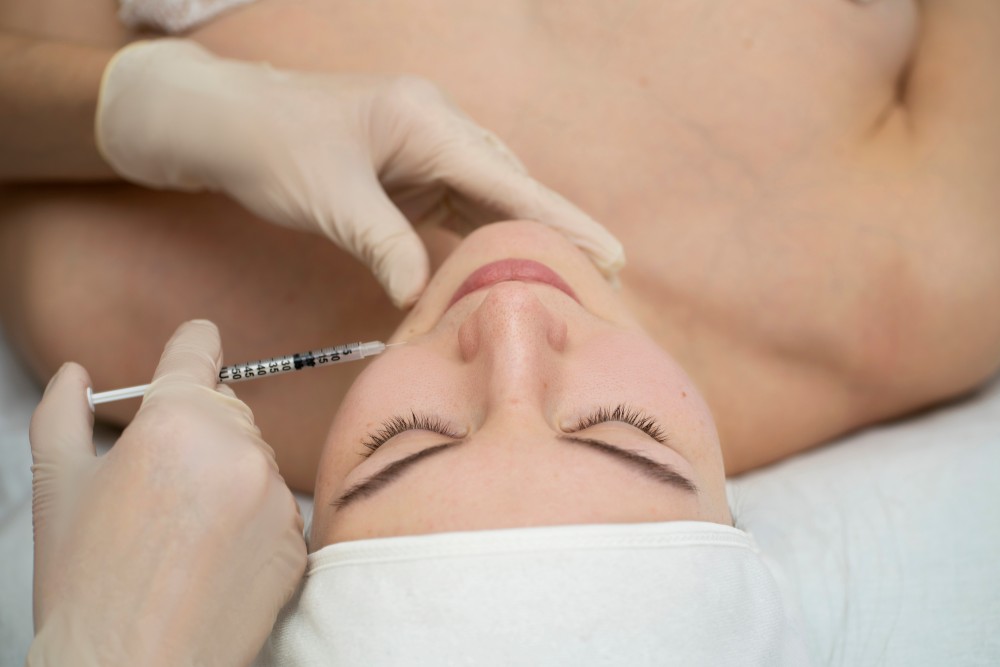
Dysport may appear to take effect slightly faster for some patients, while Botox Cosmetic commonly begins showing changes within several days. Botox Cosmetic prescribing information notes that initial doses generally begin producing chemical denervation within one to two days, with intensity increasing during the first week.
However, patients should avoid judging their final result too early. Neuromodulator results usually continue developing over several days, and many providers assess the outcome around the two-week mark.
Does Faster Mean Better?
Not necessarily. A faster visible onset can be helpful before an event, but speed does not guarantee a better cosmetic result. Natural-looking results depend more on assessment, dose, placement, anatomy, and injector technique than on product name alone.
Botox vs Dysport: Which Lasts Longer?
For most patients, both Botox Cosmetic and Dysport produce temporary results that last about three to four months. The American Society of Plastic Surgeons notes that botulinum toxin results typically last about three to four months.
Why Results Can Vary Person to Person
Duration can vary based on:
- treatment area
- muscle strength
- dose used
- metabolism
- exercise habits
- previous neuromodulator use
- injector technique
- individual response
A patient with stronger frown or forehead muscles may experience a different duration than someone treating early, mild expression lines.
Dysport vs Botox: Which Is Better for Different Treatment Goals?
Botox Cosmetic May Be Preferred For:
Botox Cosmetic may be selected when the treatment goal requires focused precision. Examples may include smaller treatment zones, subtle brow shaping, crow’s feet, or targeted softening of frown lines.
It may also be preferred by patients who have previously responded well to Botox Cosmetic and want consistency in their treatment experience.
Dysport May Be Preferred For:
Dysport may be considered for broader treatment patterns or for patients who want a potentially faster visible onset. Some injectors may choose it when treating stronger muscle movement or wider areas, depending on the patient’s anatomy and goals.
The Real Answer: It Depends on Your Anatomy and Goals
There is no universal winner in the botox vs dysport comparison. The better option depends on your facial structure, muscle movement, treatment history, wrinkle severity, and desired level of expression.
The most accurate answer to “Dysport vs Botox: which is better?” comes from an in-person assessment with a qualified injector.
How to Choose Between Botox and Dysport: A Step-by-Step Decision Guide
Step 1: Identify Your Main Concern
Start with the specific area you want to improve. Are you concerned about frown lines, forehead lines, crow’s feet, or general expression lines? The treatment area helps guide product selection and dosing strategy.
Step 2: Consider Your Timeline
If you are preparing for an event, schedule treatment early enough to allow results to develop. Even if one product appears sooner for some patients, final results should not be rushed.
Step 3: Define Your Desired Look
Some patients want subtle softening with natural movement. Others want a smoother, more relaxed look. Your preference affects dose, placement, and treatment approach.
Step 4: Review Your Medical and Treatment History
Tell your provider about previous neuromodulator treatments, medications, allergies, pregnancy or breastfeeding status, muscle or nerve conditions, and any past side effects.
Step 5: Choose a Qualified Injector
Botulinum toxin treatments are medical procedures. These injections are generally considered safe when performed by a licensed and skilled healthcare provider, but incorrect administration can lead to unwanted results or complications.
Safety, Side Effects, and What Patients Should Know
Common Side Effects
Possible side effects may include temporary redness, swelling, bruising, tenderness, headache, or discomfort at the injection site. These effects are usually mild and short-lived.
Rare but Important Risks
Less common risks may include eyelid drooping, uneven brows, asymmetry, dry or watery eyes, crooked smile, or unintended muscle weakness. Botulinum toxin products also carry warnings that effects may spread beyond the injection area in rare cases.
Why Provider Experience Matters
The product matters, but the provider matters more. Proper facial assessment, conservative dosing when appropriate, anatomical knowledge, and precise placement all influence safety and cosmetic outcome.
FAQ: Botox vs Dysport
Is Dysport stronger than Botox?
Not exactly. The units are different and cannot be converted one-to-one. More Dysport units does not automatically mean it is stronger than Botox Cosmetic.
What is the difference between Botox and Dysport?
The main differences are generic name, formulation, unit measurement, spread behaviour, FDA-approved cosmetic indications, and how each may be used in treatment planning.
Dysport vs Botox: which is better?
Neither is better for everyone. Botox Cosmetic may be chosen for precise treatment areas, while Dysport may be considered for broader areas or faster onset in some patients.
Does Dysport last longer than Botox?
For many patients, both treatments last about three to four months. Individual duration varies by dose, muscle strength, treatment area, metabolism, and provider technique.
Can you switch from Botox Cosmetic to Dysport?
Yes. Some patients switch between neuromodulator products based on response, goals, or provider recommendation. Product changes should be guided by a qualified injector.
Choose the Right Treatment Plan With Expert Guidance
Botox Cosmetic and Dysport are both established neuromodulator treatments that can temporarily improve the appearance of dynamic facial lines when used appropriately. The best option is not based on brand popularity alone. It depends on your anatomy, muscle movement, treatment history, and desired result.
For personalised guidance on choosing between injectable options, consulting experienced professionals such as N2U Aesthetics can help you determine the most appropriate treatment approach for your facial anatomy and cosmetic goals.
Book a ConsultationYou May Also Like: How Does Hair Restoration Work? Everything You Need to Know