
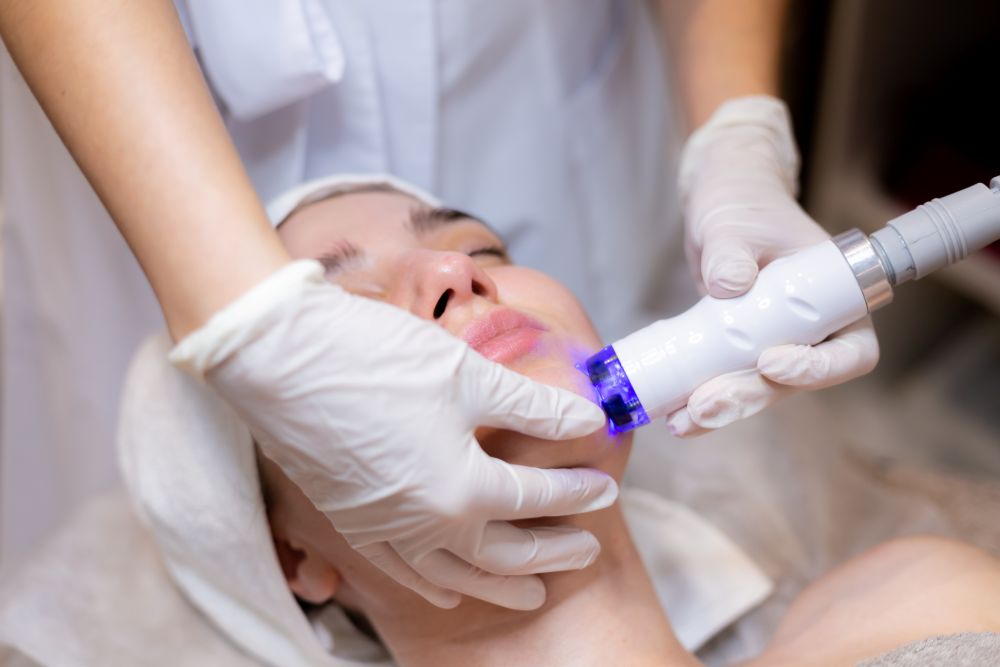
There is no single schedule for facial laser treatments because not all lasers work the same way.
A deeper resurfacing procedure may be performed once and then reassessed months later. A gentler fractional or non-ablative treatment may work best as a series. The right frequency depends on the technology, treatment depth, skin concern, skin tone, treatment settings, and how your skin responds.
Traditional non-fractional ablative resurfacing may require only one treatment, while non-ablative and fractional resurfacing commonly involve multiple sessions scheduled over a period of weeks or months.
That distinction matters. Scheduling facial laser treatments should be based on what your skin needs and how the specific device works, not on a universal rule such as “every four weeks.”
Key Takeaways
- Facial laser treatment frequency depends on the specific technology and treatment depth.
- More intensive ablative resurfacing generally requires more recovery than non-ablative treatments.
- Fractional and non-ablative treatments often work through a planned series rather than a single session.
- IPL is a light-based treatment, not technically a laser.
- Skin tone matters because some patients have a greater risk of burns or post-treatment pigmentation changes with certain devices and settings.
- Sun exposure, skincare products, medications, previous procedures, and healing response can change your treatment schedule.
- More treatments are not automatically better.
- Maintenance should be based on your skin and goals rather than placed on a fixed calendar for everyone.
Why Laser Treatment Frequency Matters
A facial laser treatment creates a controlled response in the skin. What happens next depends on the device.
Some lasers remove portions of the skin’s outer layer. Others heat targeted tissue without removing the surface. Fractional devices treat microscopic areas while leaving surrounding skin intact.
Your skin then needs time to heal and respond.
This is one reason why treatment timing matters just as much as the number of sessions. Treating too aggressively or repeating a procedure before the skin has adequately recovered can increase irritation and the risk of complications. Waiting an appropriate amount of time also gives us a chance to see how your skin responded before deciding what it needs next.
The goal is not to fit as many treatments as possible into a short period. It is to use the right treatment, at the right intensity, with enough recovery between sessions to support a good result.
How Often Should You Get Different Types of Facial Laser Treatments?
The biggest factor in treatment frequency is the type and depth of the procedure.
Ablative Laser Resurfacing
Ablative resurfacing removes portions of the outer skin while heating deeper tissue. CO2 and erbium lasers are common examples.
Because this produces a stronger wound-healing response, recovery is typically more involved than with non-ablative treatment. New skin may cover the treatment area within about 7 to 10 days after more intensive ablative resurfacing, while full recovery can take considerably longer. Non-fractional ablative resurfacing is also commonly performed as a single treatment rather than a rapid series.
That does not mean another ablative procedure should automatically be scheduled six or 12 months later.
We reassess the skin, the result, your goals, and whether another treatment would provide enough benefit to justify additional recovery.
Non-Ablative Laser Treatments
Non-ablative lasers work below the skin’s surface without removing the epidermis in the same way as traditional ablative resurfacing.
Recovery is generally shorter, but the tradeoff is that results tend to develop more gradually. This is why multiple sessions may be used.
Depending on the specific system, fractional and non-ablative resurfacing treatments may involve two to four sessions completed over several weeks or months.
The exact interval can still differ significantly between devices. “Non-ablative” describes a broad category, not one universal treatment protocol.
Fractional Laser Treatments
Fractional resurfacing treats microscopic columns or zones within the skin while leaving surrounding tissue untreated.
One important distinction is that fractional does not automatically mean gentle.
A fractional laser can be ablative or non-ablative. Treatment depth, density, energy, wavelength, and the patient’s skin all influence recovery and scheduling.
For that reason, a four-week interval that works well for one fractional treatment should not automatically be applied to every fractional laser.
What About Pixel Laser Treatment?
At N2U Aesthetics, Pixel Laser Skin Resurfacing is one of the options we use for concerns such as uneven texture, fine lines, acne scars, pigmentation, and visible sun damage.
For our Pixel treatment, many patients complete a series rather than relying on one session. Our current Pixel Laser protocol typically involves three to five treatments spaced approximately one month apart, although the actual plan depends on the amount of correction needed and the patient’s goals.
Some patients may see improvement after a single treatment, while a series can produce a more complete result.
Once the initial series is finished, we do not automatically continue treating the skin every month. We evaluate what has improved, what still needs attention, and whether a future touch-up makes sense.
Is IPL the Same as a Laser Treatment?
Not exactly.
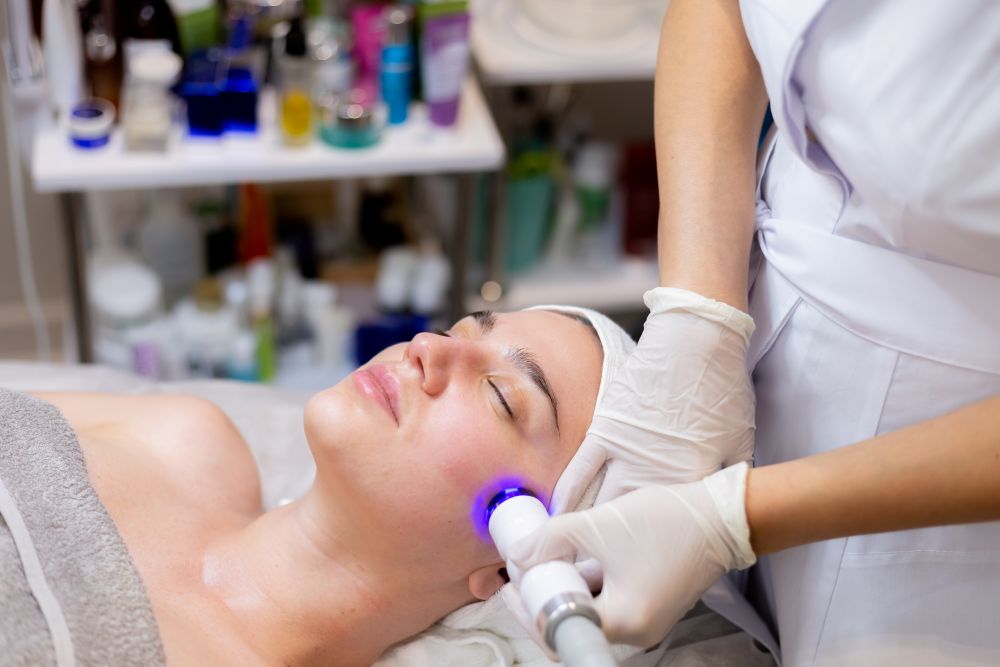
IPL, or Intense Pulsed Light, is often grouped with facial laser treatments because both use light energy, but the technologies work differently.
A laser uses a more specific wavelength of light. IPL uses a broad spectrum of light to target concerns such as excess pigment and visible blood vessels.
That makes IPL particularly useful for concerns such as:
- Sun spots
- Uneven pigmentation
- Facial redness
- Visible blood vessels
- Photodamage
- Uneven skin tone
For patients receiving IPL at N2U Aesthetics, a series of approximately three to five treatments spaced several weeks apart may be recommended, depending on the concern and how the skin responds.
Because IPL and resurfacing lasers work differently, their treatment schedules should not be treated as interchangeable.
Your Skin Goals Change the Treatment Plan
The device is only one part of the decision.
What you want to improve matters just as much.
Sun Damage and Pigmentation
Visible sun damage may include freckles, brown spots, uneven tone, and areas of discoloration.
IPL or selected laser technologies can be useful for some forms of pigmentation, but the first step is identifying what is causing the discoloration.
Not every brown patch should be treated the same way. Melasma, for example, can behave very differently from an isolated sun spot and may worsen when treated too aggressively.
We evaluate the type of pigmentation before choosing the treatment and frequency.
Acne Scars
Acne scars are another area where a one-size-fits-all treatment schedule does not work.
Scar type, scar depth, skin tone, and previous treatments all influence the plan. Some patients may benefit from fractional resurfacing, while others may need a combination approach.
Treatment series are common because improvement develops gradually. The skin continues responding after the appointment, so there is little value in rushing into another aggressive treatment before that response has had time to develop.
Fine Lines and Uneven Texture
For mild textural changes and early signs of aging, non-ablative or fractional treatments may be used to create progressive improvement without the recovery associated with deeper resurfacing.
Results after non-ablative resurfacing tend to be gradual, with improvements in texture and tone continuing to develop rather than appearing all at once.
This is where patience matters.
If your skin is still improving from the previous treatment, doing another session sooner is not necessarily going to produce a better result.
More Laser Treatments Are Not Always Better
There is a point where “more” stops being a useful treatment strategy.
Laser energy creates controlled stress within the skin. The treatment has to be strong enough to create the desired response without creating unnecessary injury.
Potential complications of resurfacing can include prolonged redness, swelling, infection, acne flares, scarring, and changes in pigmentation.
Repeated treatments performed too aggressively can also make it harder to determine whether the previous treatment has actually finished producing its result.
At N2U Aesthetics, we would rather adjust a treatment plan than keep treating simply because another appointment is already on the calendar.
Your skin should look ready for another treatment.
Skin Tone Matters When Planning Facial Laser Treatments
Laser treatment is not limited to one skin tone, but technology and settings matter.
Skin with more melanin can be more susceptible to burns and unwanted pigmentation changes after certain laser procedures. The American Academy of Dermatology recommends extra care when selecting laser treatment for darker skin tones, including working with a clinician experienced in treating similar skin.
This does not mean darker skin cannot be treated safely.
It means we need to choose the technology, energy, density, treatment depth, and interval with the patient’s skin in mind.
Modern fractional non-ablative lasers can be useful for darker skin phototypes when appropriate parameters are selected. A 2024 review of fractional non-ablative lasers in darker skin types found evidence supporting their use for several dermatologic concerns while emphasizing careful treatment selection.
If you have a history of post-inflammatory hyperpigmentation, tell us during your consultation.
Sun Exposure Can Change Your Laser Schedule
A fresh tan and a laser appointment do not belong together.
Recent sun exposure can increase the amount of pigment in the skin, which can affect how light energy is absorbed and increase the risk of burns or discoloration.
Good sun protection is important both before and after laser treatment. Broad-spectrum sunscreen with an SPF of at least 30 is recommended as part of routine protection, particularly while the skin is recovering from a laser procedure.
If your skin is sunburned, recently tanned, or significantly irritated, it may make more sense to postpone the treatment than force the original appointment date.
Your Skincare Routine Matters Too
Tell us what you actually use on your skin.
That includes:
- Prescription retinoids
- Over-the-counter retinol
- Exfoliating acids
- Acne medications
- Brightening products
- Peels
- Scrubs
- Prescription skin treatments
Some skincare products can make the skin more sensitive around laser treatment. Medications and supplements can matter as well.
Discussing your skincare products, medications, and supplements before laser treatment is crucial because some can affect sensitivity to laser wavelengths.
Do not stop a prescription medication simply because you are planning a cosmetic treatment. We can review what you are taking and tell you what, if anything, needs to be discussed with the prescribing clinician.
What Else Can Affect How Often You Get Treated?
Even when two patients choose the same device, their schedules may not be identical.
We also consider:
- How quickly your skin recovered from the last session
- Your tendency to develop pigmentation
- Recent tanning or significant sun exposure
- Active irritation or skin infection
- A history of cold sores
- Current medications
- Previous aesthetic treatments
- The strength of the previous treatment
- Whether redness or sensitivity has fully settled
- How much improvement has already developed
- Your overall treatment goal
A treatment calendar should be able to change when your skin tells us it needs to change.
Can You Combine Laser With Microneedling, Peels, or Other Treatments?
Yes, in the right treatment plan.
Laser resurfacing may be combined over time with procedures such as:
- IPL
- Microneedling
- Chemical peels
- Radiofrequency treatments
- Injectables
- Medical-grade skincare
That does not mean these treatments should all be performed back to back.
Different procedures create different amounts and types of inflammation. Stacking treatments too closely can increase irritation and make recovery harder to predict.
When we build a combination plan, sequencing matters. We decide which concern should be treated first, how the skin should recover, and when it makes sense to introduce the next procedure.
READ MORE: Thermage Skin Tightening Cost: 2026 Pricing Guide & What to Expect
How Do You Know When It Is Time for Another Laser Session?
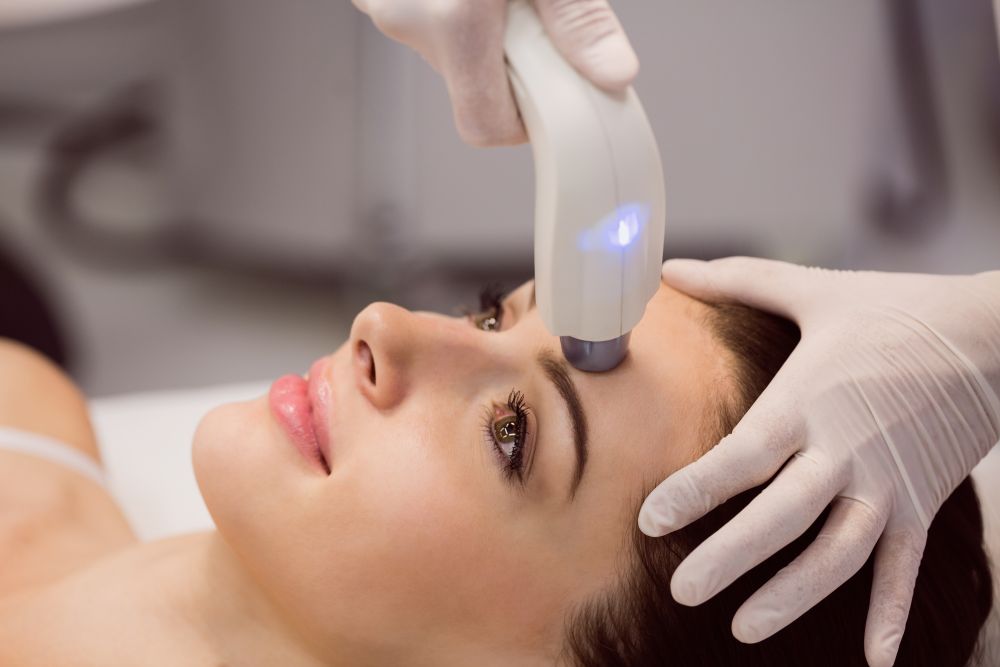
The calendar gives us a starting point. Your skin gives us the final answer.
Before another session, we want to know:
- Has the skin recovered normally?
- Has prolonged redness or irritation developed?
- Did pigmentation improve or worsen?
- Is the previous treatment still producing improvement?
- Did your skin tolerate the settings well?
- Is there still something meaningful to treat?
- Would another treatment improve the result enough to justify doing it?
If the answer to the last question is no, there is no reason to treat simply because another session was originally planned.
How Long Do Facial Laser Results Last?
There is no honest universal answer.
Some resurfacing improvements can remain visible for years, but no laser stops aging, facial movement, hormonal changes, or future sun damage. Laser resurfacing results can be long-lasting, while continued aging and new UV damage can change the skin again over time.
How long your result holds depends on factors such as:
- The treatment performed
- Treatment depth
- Your starting skin condition
- Sun exposure
- Smoking
- Skincare
- Aging
- New pigmentation
- Your overall health and lifestyle
This is why we do not like giving every patient the same promise that a result will last exactly one, two, or three years.
Do You Need Maintenance Laser Treatments?
Sometimes. Not automatically.
After completing a treatment series, some patients return later because new sun damage, texture changes, or pigmentation have developed. Others remain happy with their result and do not need another treatment for quite some time.
For Pixel resurfacing, for example, some patients may consider a future touch-up based on their starting point and how their skin changes after the initial series.
Maintenance should solve an actual problem.
It should not feel like a subscription you have to keep simply because you started laser treatment.
Things to Know Before Your Facial Laser Appointment
A good consultation should leave you knowing more than the name of the treatment.
Ask:
- What exact laser or light device will be used?
- Is it ablative or non-ablative?
- Is it fractional?
- What is the treatment designed to improve?
- Why is this device appropriate for my skin tone?
- How many sessions do you expect I may need?
- Why are the sessions spaced at that interval?
- What downtime should I realistically expect?
- What are the risks for my skin type?
- What should I avoid before and after treatment?
- When should I contact the office if something does not look right?
The skill and judgment behind the device matter. Laser procedures can produce burns and pigmentation changes when the wrong treatment or settings are used, which is why careful patient selection and experience with different skin types are important.
Ready to Build the Right Laser Treatment Schedule?
At N2U Aesthetics, we do not start with a package and try to fit your skin into it.
We start with your skin.
We look at what you want to improve, your skin tone, medical history, previous treatments, downtime preferences, and how aggressive a treatment makes sense for you. From there, we can determine whether Pixel Laser, IPL, another skin treatment, or a combination approach is the better fit.
N2U Aesthetics has served patients in Northridge and the San Fernando Valley since 2007 under the leadership of Dr. Masoud M. Azizad, MD, Board Certified in Internal Medicine.
Call us to schedule a consultation.

Frequently Asked Questions
How many facial laser treatments do I need?
It depends on the treatment.
Traditional non-fractional ablative resurfacing may be performed as a single treatment, while fractional and non-ablative resurfacing often involve multiple sessions over weeks or months.
For Pixel Laser at N2U Aesthetics, many patients complete approximately three to five treatments spaced around one month apart. Your treatment plan may be different depending on your skin and goals.
Can I get a facial laser treatment every month?
Some facial laser protocols are designed around approximately monthly treatments. Others need significantly more recovery time.
Whether monthly treatment makes sense depends on the device, treatment intensity, skin concern, and how you recovered from the previous session.
The name “laser treatment” alone is not enough to determine the interval.
Is it better to get more laser sessions?
Not necessarily.
Some laser procedures produce their best results through a series, but additional sessions beyond what your skin needs do not automatically create a better outcome.
We look for a reason to perform the next treatment rather than simply increasing the treatment count.
How long should I wait between facial laser treatments?
The interval can range from several weeks to several months depending on the procedure.
Fractional and non-ablative resurfacing commonly use treatment series completed over weeks or months, while traditional ablative resurfacing may be performed once and evaluated after a much longer recovery period.
Your provider should be able to explain why the recommended interval makes sense for the exact device being used.
Is laser treatment safe for darker skin?
Laser procedures can be used on many skin tones, but the choice of technology and settings becomes especially important when there is more melanin in the skin.
Darker skin has a greater tendency to develop burns and dark marks after some laser treatments, so treatment should be customized by someone experienced with similar skin tones.
Is IPL a laser?
No.
IPL is an intense pulsed light treatment. It uses multiple wavelengths of broad-spectrum light rather than the more specific light used by a laser.
Both can be useful for skin rejuvenation, but they do not work exactly the same way and should not automatically follow the same schedule.
How often should I get IPL?
Many IPL treatment plans begin with a short series rather than one isolated session.
At N2U Aesthetics, patients may complete approximately three to five IPL treatments spaced several weeks apart, depending on the concern and treatment response.
Maintenance is determined after we see how your skin responded.
Do I need laser maintenance every year?
Not everyone does.
Maintenance can make sense when new pigmentation, sun damage, texture changes, or other concerns develop. If your result still looks good and there is nothing meaningful to treat, there may be no reason to schedule another procedure simply because a year has passed.
Call UsMedical Disclaimer
This content is for general educational purposes only and is not a substitute for professional medical advice, diagnosis, or treatment. Laser and light-based treatment suitability, settings, frequency, risks, recovery, and results vary by individual. A consultation is necessary to determine which treatment approach is appropriate for your skin and goals.
You May Also Like: Hair Transplant Timeline: Growth, Recovery & What to Expect